


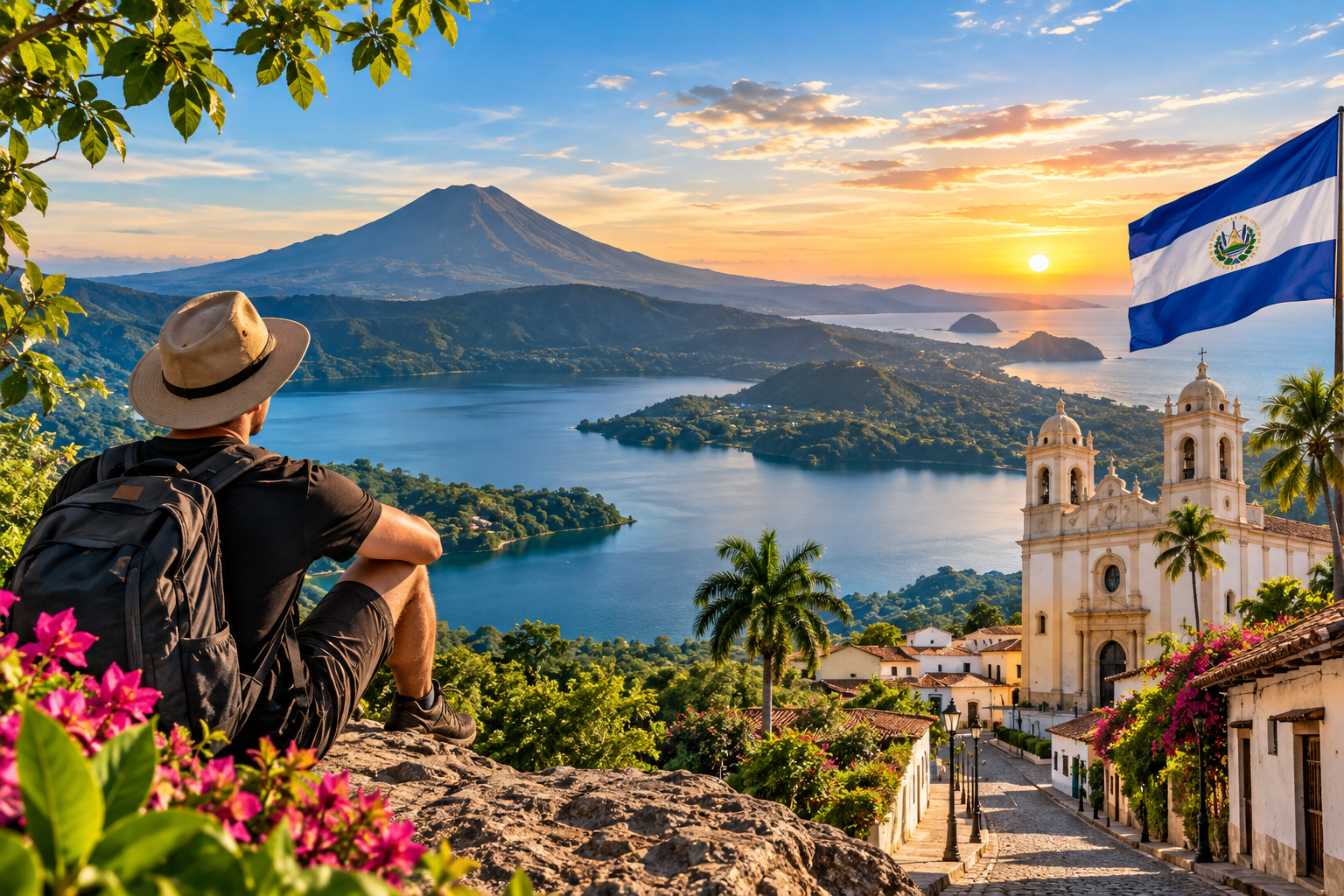
Key Takeaways
- El Salvador travel is booming in 2026 thanks to major safety gains, the Surf City coast and new infrastructure.
- Best time to visit: the dry season (November to April); surfing is good all year round.
- Top highlights: Santa Ana Volcano, Lake Coatepeque, El Tunco, the Ruta de las Flores, Suchitoto and Joya de Cerén.
- Budget-friendly destination: the U.S. dollar is the official currency and a plate of pupusas costs just a few dollars.
- Ideal trip length: 5 to 7 days to combine beaches, volcanoes and colonial towns — or join one of our guided El Salvador tours.
El Salvador travel is having its biggest moment ever, and 2026 is the perfect year to discover this compact Central American gem. From black-sand surf beaches to steaming volcanoes and colorful colonial towns, this small country delivers an outsized adventure.
Once overlooked, El Salvador is now one of the fastest-rising destinations in the Americas. Better safety, new infrastructure, and a booming surf scene have transformed how the world sees it.
This El Salvador travel guide covers everything you need: when to go, where to stay, what to do, how to get around, and how to plan the perfect trip. Let’s dive in.
Table of Contents
Why El Salvador Travel Is Booming in 2026
El Salvador travel has surged for one simple reason: the country reinvented itself. What was once considered off-limits is now a Pacific playground for surfers, hikers, and culture lovers alike.
The government’s « Surf City » initiative connected the coast with modern roads, hotels, and services. The result is a seamless experience from the airport to the waves.
Safety has improved dramatically, too. Areas that travelers once avoided are now open, welcoming, and full of local pride.
Add volcanic landscapes, ancient Maya ruins, and warm, friendly people, and it’s easy to see why El Salvador travel is on everyone’s radar right now.
Best of all, the country is small. You can surf at dawn, hike a volcano by afternoon, and sip highland coffee in a colonial plaza by evening — all in the same day.
Is El Salvador Travel Safe?
Safety is the number one question for anyone considering El Salvador travel, so let’s address it directly. The short answer: it is far safer than its old reputation suggests.
The country’s security situation has changed enormously in recent years. The U.S. State Department has raised El Salvador to its safest travel advisory tier, on par with many popular European destinations.
Tourist zones like El Tunco, El Zonte, Santa Ana, Suchitoto, and San Salvador’s main districts are well-patrolled and visitor-friendly.
That said, smart travel in El Salvador still means using common sense. Avoid displaying valuables, use registered taxis or rideshare apps, and stick to established areas at night.
Always check your government’s latest advisory before departure, since ratings can shift. But today, travelers consistently report feeling comfortable and welcomed throughout the country.
Best Time for El Salvador Travel
Timing matters, and choosing the right season will shape your entire trip to El Salvador. The country has two clear seasons rather than four.
The dry season runs from November to April. This is the most popular time to visit, with sunny days, clear skies, and ideal conditions for beaches, hikes, and sightseeing.
The green (rainy) season runs from May to October. Rain usually falls in short afternoon bursts, leaving mornings bright and landscapes lush and vibrant.
For surfers, the good news is that surf travel in El Salvador works year-round. The Pacific swells are consistent, though the biggest waves often arrive between March and October.
If you want the best balance of good weather and fewer crowds, aim for the shoulder months of November or April.
El Salvador Travel Entry Requirements
Planning the logistics of El Salvador travel is refreshingly simple compared to many destinations. Entry is straightforward for most visitors.
Travelers from the U.S., Canada, the U.K., the EU, and many other countries can enter for tourism without a complicated visa process. Most receive a tourist entry valid for up to 90 days.
El Salvador is also part of the CA-4 agreement, which allows free movement between El Salvador, Guatemala, Honduras, and Nicaragua for up to 90 days on a single entry.
You’ll arrive at San Salvador International Airport, the country’s main gateway, which now offers expanded routes from North America, Central America, and Europe.
Always confirm the latest entry rules and any fees with an official source before you fly, as requirements can change.
Getting Around During Your El Salvador Travel
Because the country is small, getting around is one of the easiest parts of the trip. Distances are short and destinations are close together.
Renting a car is the most flexible option. It lets you explore the coast, volcanoes, and mountain towns at your own pace, and the main roads are in good condition.
Rideshare apps operate in San Salvador and are affordable, safe, and convenient for city trips and airport transfers.
Private drivers and organized tours are popular for El Salvador travel, especially for day trips to volcanoes or the Ruta de las Flores. They remove the stress of navigation and parking.
Local « chicken buses » are the cheapest way to move around and offer an authentic experience, though they’re slower and less comfortable for longer routes.
Top Destinations for El Salvador Travel
Now for the fun part. Here are the destinations that should anchor any great El Salvador itinerary, from surf towns to volcanic wonders.
San Salvador: The Capital
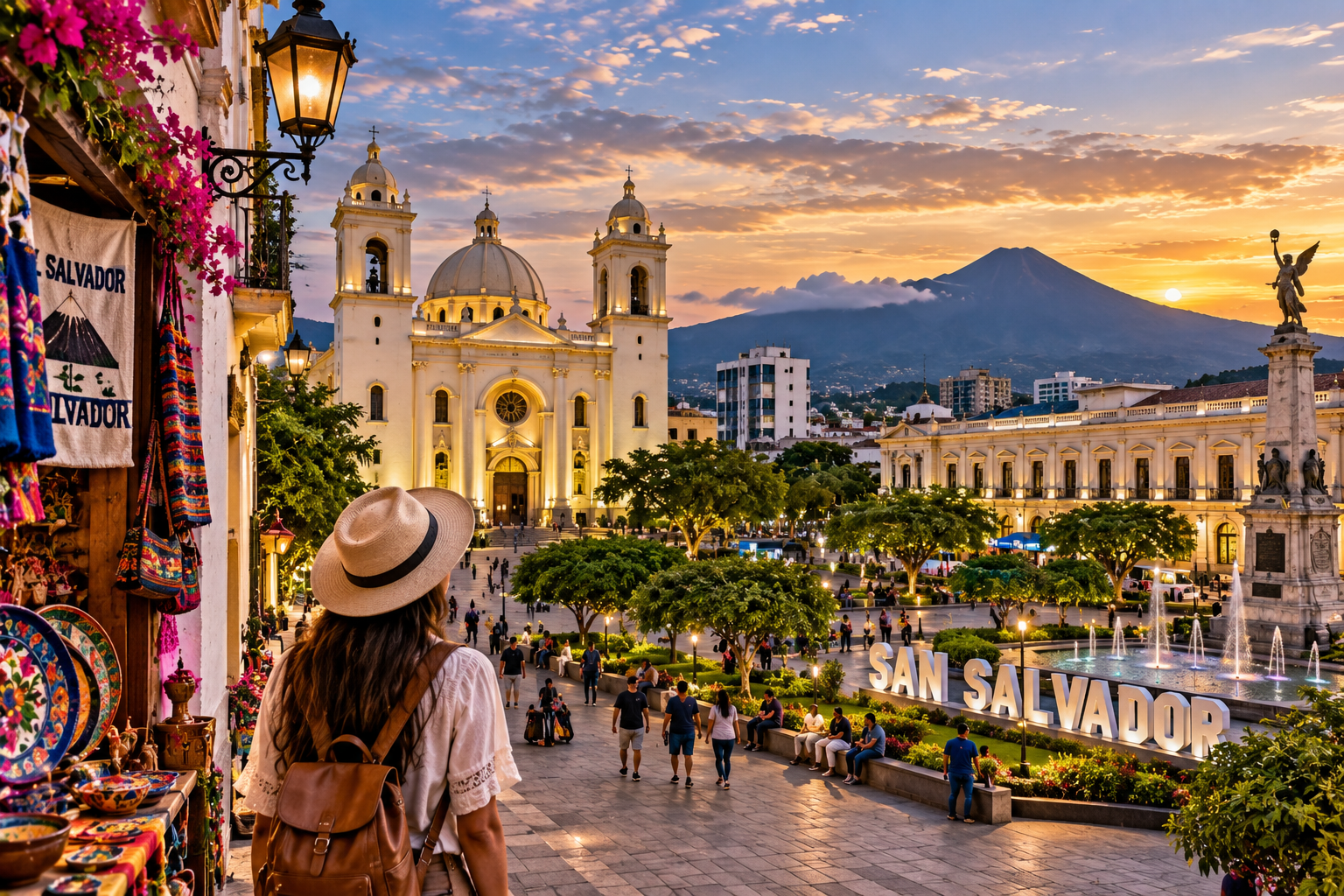
Most trips to El Salvador begin in San Salvador, the lively capital. It blends modern shopping districts with a historic downtown full of character.
Don’t miss the striking Iglesia El Rosario, whose plain exterior hides a breathtaking rainbow of stained-glass light inside. The Metropolitan Cathedral and National Theatre are nearby.
Just outside the city, hike to Puerta del Diablo for sweeping countryside views, or climb to the crater rim of El Boquerón National Park on the San Salvador volcano.
El Tunco: Surf City Central
No El Salvador travel guide is complete without El Tunco, the beating heart of the country’s surf scene. This small black-sand town is famous for its waves and nightlife.
Beginners can take affordable surf lessons, while experienced surfers chase the point breaks. After sunset, the streets come alive with music, restaurants, and a laid-back party vibe.
El Tunco is compact, walkable, and packed with budget hostels and boutique stays, making it a favorite base for coastal trips.
El Zonte: Bitcoin Beach
A short drive from El Tunco lies El Zonte, known globally as « Bitcoin Beach. » This peaceful village is a quieter, more wellness-focused alternative.
Here, travel takes on a slower rhythm. Think yoga, wellness retreats, uncrowded surf breaks, and meaningful connections with locals.
The village earned its nickname as an early hub of grassroots Bitcoin adoption, and it remains a fascinating blend of surf culture and digital innovation.
Santa Ana Volcano
For many visitors, hiking the Santa Ana Volcano (Ilamatepec) is the highlight of their trip to El Salvador. It’s the country’s tallest volcano.
The reward at the summit is unforgettable: a glowing turquoise crater lake set against sweeping views of the surrounding highlands and Pacific coast.
The hike typically starts near Cerro Verde and is done with a guide. It’s moderately challenging but achievable for most reasonably fit travelers.
Lake Coatepeque
Near Santa Ana sits Lake Coatepeque, a stunning volcanic caldera lake with deep sapphire-blue water. It’s one of the most beautiful spots for a relaxed day.
Spend the day swimming, kayaking, or simply enjoying lunch at a cliffside restaurant overlooking the water. The lake is especially magical at sunrise.
Its calm, scenic setting makes it a perfect contrast to the energy of the surf coast.
Ruta de las Flores
The Ruta de las Flores is a scenic mountain route that showcases the cultural side of El Salvador travel. It winds through charming highland towns.
Villages like Juayúa, Apaneca, Ataco, and Nahuizalco are known for artisan crafts, colorful murals, indigenous heritage, and century-old coffee farms.
Juayúa’s famous weekend food festival is a must, where you can taste grilled meats, local specialties, and freshly roasted Salvadoran coffee.
Suchitoto: Colonial Charm
Suchitoto is the country’s most picturesque colonial town and a beloved stop on any cultural route. Its cobblestone streets feel frozen in time.
Admire the white Santa Lucía Church, wander the art galleries, and enjoy panoramic views over Lake Suchitlán. The town has a creative, artistic soul.
It’s an ideal place to slow down, take photos, and experience the quieter, more traditional side of the country.
Maya Ruins: Joya de Cerén and Tazumal
History lovers shouldn’t miss the ancient sites that give depth to any trip. The country has a rich pre-Hispanic past, covered in depth in our El Salvador tourism guide.
Joya de Cerén, a UNESCO World Heritage Site, is often called the « Pompeii of the Americas. » This remarkably preserved Maya farming village was buried by a volcanic eruption.
Nearby, the pyramids of Tazumal near Chalchuapa offer another window into the region’s Maya civilization.
Best Things to Do on Your El Salvador Travel Adventure
Beyond the headline destinations, here are the experiences (see our full list of the best things to do in El Salvador) that make El Salvador travel so memorable and worth every mile.
Surf the Pacific breaks along the Surf City coast, whether you’re a first-timer or a seasoned pro.
Hike a volcano, from the turquoise crater of Santa Ana to the forested trails of Cerro Verde National Park.
Chase waterfalls near Tamanique or Juayúa, tucked into lush green canyons.
Take a coffee farm tour in the highlands and taste some of Central America’s finest beans at the source.
Ride an ATV or zip line for an adrenaline boost with ocean and mountain views.
Explore Lake Coatepeque or Lake Suchitlán by boat, kayak, or paddleboard.
Sample street food at a local market, where the local flavors truly come alive.
Salvadoran Food: A Highlight of El Salvador Travel
Food is a huge part of any trip to El Salvador, and the country’s cuisine is delicious, affordable, and deeply satisfying.
The undisputed national dish is the pupusa: a thick, handmade corn tortilla stuffed with cheese, beans, pork, or loroco (an edible flower). Served with curtido (pickled cabbage) and salsa, it’s a must-try.
Don’t miss yuca frita (fried cassava), fried plantains, and fresh seafood along the coast.
Wash it all down with a refreshing horchata, a cold local beer, or a cup of highland coffee.
Eating like a local is one of the cheapest and most rewarding parts of the trip — a plate of pupusas often costs just a couple of dollars.
El Salvador Travel Budget and Costs
One of the biggest advantages of El Salvador travel is affordability. Your money goes a long way here compared to many neighboring destinations.
The official currency is the U.S. dollar, which makes budgeting simple for many travelers and removes the hassle of currency exchange.
Budget travelers can get by comfortably on a modest daily budget, with hostel beds, cheap eats, and public transport keeping costs low.
Mid-range travelers will find great value in boutique hotels, private tours, and beachfront restaurants without the high prices of pricier countries.
Even luxury travel here — eco-resorts, private guides, and fine dining — remains reasonable by international standards.
Where to Stay During El Salvador Travel
Accommodation options have expanded rapidly, so El Salvador travel now suits every style and budget. Here’s a quick overview by area.
On the coast, El Tunco and El Zonte offer everything from backpacker hostels to stylish surf lodges and boutique eco-resorts.
In San Salvador, you’ll find modern hotels, business-friendly stays, and comfortable guesthouses in safe, central neighborhoods.
For nature and culture, base yourself in Santa Ana, near Lake Coatepeque, or in charming Suchitoto for a slower pace.
Booking ahead is wise during the dry season and around major surf events, when the best places fill up fast.
Sample El Salvador Travel Itinerary
Not sure how to structure your trip? Here’s a simple one-week El Salvador itinerary that hits the highlights without rushing.
Day 1: Arrive in San Salvador. Explore the historic downtown and Iglesia El Rosario.
Day 2: Day trip to El Boquerón and Puerta del Diablo, then transfer to the coast.
Day 3: Surf and relax in El Tunco.
Day 4: Visit El Zonte (Bitcoin Beach) for a quieter beach day and sunset.
Day 5: Head inland to hike the Santa Ana Volcano and cool off at Lake Coatepeque.
Day 6: Explore the Ruta de las Flores and its highland towns.
Day 7: Discover colonial Suchitoto before departing.
This route balances beach, adventure, and culture — the perfect introduction to El Salvador travel.
Practical El Salvador Travel Tips
A few practical pointers will make your El Salvador travel smoother and stress-free. Keep these in mind as you plan.
Language: Spanish is the official language. English is understood in tourist areas, but learning a few Spanish phrases helps enormously.
Money: The U.S. dollar is used everywhere. Carry small bills, and keep some cash for rural areas and markets.
Connectivity: Local SIM cards and eSIMs are cheap and widely available for reliable data during your trip.
Health: Drink bottled or filtered water, use sunscreen, and bring insect repellent for jungle and lake areas.
Tipping: A tip of around 10% is appreciated in restaurants and for guides, though it’s not always mandatory.
Packing: Bring light clothing, swimwear, sturdy shoes for hiking, and a rain layer if traveling in the green season.
What Makes El Salvador Travel Unique
So what truly sets El Salvador travel apart from other Central American destinations? It comes down to variety, value, and vibe.
The compact size means less time in transit and more time enjoying. You can experience beaches, volcanoes, ruins, and colonial towns without long, exhausting drives.
The value is unbeatable. Few destinations offer this mix of adventure and culture at such affordable prices.
And the vibe — warm, welcoming, and full of pride — leaves nearly every visitor planning a return trip.
For travelers seeking an authentic, uncrowded, and exciting destination, El Salvador travel checks every box.
Frequently Asked Questions About El Salvador Travel
How many days do you need for El Salvador travel?
Five to seven days is ideal for a first visit, letting you combine the coast, a volcano, and a colonial town without rushing.
Is El Salvador travel expensive?
No. It’s one of the most affordable destinations in Central America, especially with the U.S. dollar as the local currency.
Do you need to speak Spanish for El Salvador travel?
It helps, but you can manage in tourist areas with basic phrases. Guides and coastal towns often have English speakers.
What is the best area for first-time El Salvador travel?
The La Libertad coast (El Tunco and El Zonte) plus a Santa Ana volcano day trip is a perfect, easy introduction.
Is El Salvador good for surfing?
Absolutely. It’s one of the top surf destinations in the region, with consistent waves for all levels along the Surf City coast.
Final Thoughts on El Salvador Travel
El Salvador travel offers a rare combination of adventure, culture, and value that few destinations can match. In one small country, you get world-class surf, volcanic peaks, ancient ruins, and colonial charm.
With safety vastly improved and infrastructure growing fast, there has never been a better time to go.
Whether you’re chasing waves, hiking craters, or savoring pupusas in a mountain town, this tiny nation delivers unforgettable memories.
Start planning your El Salvador travel adventure today with our El Salvador tours — and get ready to discover Central America’s brightest rising star.
[…] you are visiting El Salvador for the first time, several destinations should be high on your […]